
As of 2025, the United States military maintains a robust and balanced force of approximately 1.33 million active-duty service members. Military discipline plays a vital role in maintaining order, readiness, and accountability within the armed forces.
When service members violate military rules or fail to follow orders, they may face disciplinary action under the military justice system. These military punishments are designed not only to address misconduct but also to preserve the structure and effectiveness of military operations.
From administrative actions to court-martial proceedings, the type and severity of punishment often depend on the nature of the offense and the circumstances surrounding the case.
Let’s take a look at the military punishments that can help service members and their families better handle the military justice process.
The Basics of Military Punishments
The basic principle of punishment functions as the starting point to comprehend military penal systems. The military uses punishments to sustain discipline and preserve order while enforcing their established standards.
Civilian laws apply to civilian life. Clear awareness of the military system’s exemptions allows us to distinguish at so many levels. Military staff members are held to a higher standard than civilians, and a breach could lead to major stakes. Military law leans on accountability—a guarantee that conduct goes with the standards and mission of the armed forces.
In the military, the range of offenses that can result in discipline is significantly wide and is usually classified between those of minor severity and those of major nature. For every offense that occurs, the legal reply to the medium of instruction in light of proper counseling, extra duty, or serious punishment is in question.
The reason to educate oneself on these basics is to gain an understanding of disciplinary regulations while serving in the military.
Types of Military Non-Judicial Punishments
These military non-judicial punishments (NJP) are useful alternatives to court-martialing a member of the service for some minor infractions.
When dealing with military NJP, there are different types of it. The most common of these forms is Article 15, as punishment is being given by the commanding officer of the soldier, which only includes extra duty, restriction, or even forfeiture of pay.
The severity of punishment distinguishes company- and field-grade NJPs, with the company-grade NJP system punishing more serious offenses. Administrative actions may also be taken in the form of written warnings.
However, Oak Grove military defense lawyer Michael J. Thompson says that you also have the right to an attorney. Make sure you exercise these rights by hiring an experienced military law attorney and by using your Article 31 right to remain silent.
Identifying these forms can guide you through the penalties that the defense can expect for petty misdeeds in combat.
How Military Justice Differs From Civilian Justice
The military and civilian justice systems both exist to maintain order through complete legal enforcement, yet their operational structures create multiple operational differences between them.
The military enforces the Uniform Code of Military Justice (UCMJ) to maintain discipline and military preparedness, which results in military personnel facing more severe penalties for their mistakes than civilians receive for their offenses.
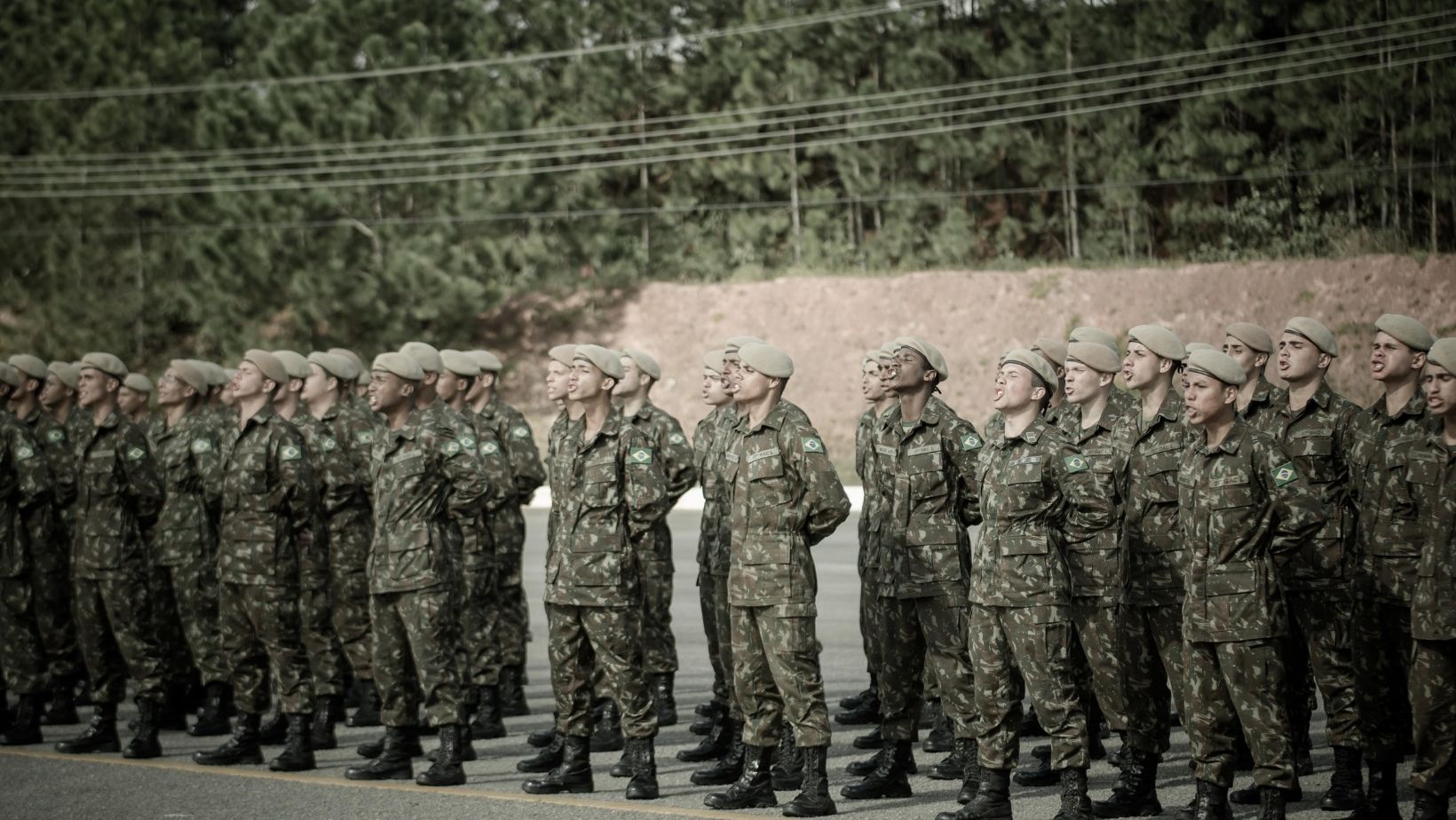
Military justice theory holds that military offenses cause harm to military order and discipline, which judges these offenses according to their effects on unit morale and military operational capacity.
Military personnel often face administrative actions and nonjudicial punishments before they undergo any formal court-decided proceeding. Such actions are considered a more immediate way of exercising discipline. Understanding these differences is key in military legal matters.
Court-Martial Proceedings Explained
The process establishes your guilt through an investigation that decides your fate as an accused individual; we all hope for your exoneration.
There are three different types of courts-martial: summary, special, and general. The different courts-martial system operates through three levels, which range from minor cases to complex legal proceedings. The process establishes the right to self-defense with options to present evidence and call witnesses.
The prosecution needs to establish proof that exceeds the threshold of reasonable doubt. A panel that has been convened will assess the evidence and trial arguments to reach their verdict decision. The court will impose a sentence after a ‘guilty’ verdict. The defendant will either be sentenced to confinement and fines or dishonorable discharge.
This procedure directly impacts their upcoming professional development. As such, it’s important that they understand what their conduct entails.
Why Military Punishments Are Essential for Discipline
The success of military operations depends on their execution by personnel who maintain complete discipline and follow established standards and operational procedures. The military system of punishment functions as a primary mechanism that establishes and maintains discipline within the armed forces.
Discipline becomes established through the process of punishing broken rules. The practice of punishing wrongdoing creates a protective barrier that reduces motivation to commit offenses while teaching individuals to take responsibility for their actions.
Soldiers have a duty to develop accountability through their interactions with both actual victims and those who appear to be innocent. A punishment can create this feeling through its capacity to teach you that every action you choose to make will result in a specific outcome.
How to Appeal Military Punishments
The offender could challenge military punishment through the normal judicial process if such a person decided to contest their sentence.
You must construct your case examination together with your research of the applicable penalty laws. You need to collect every piece of evidence or statement made by the witnesses that backs up your claims.
The letter of appeal should be written according to formal standards because it needs to reach the right authority to explain the appeal reasons, while all necessary documents must be included. Meeting the deadline is important, as this is also part of their discipline. They must present the evidence according to specific service guidelines.
You can request an in-person hearing after you submit your appeal. Keep all your communication records while you continue your efforts.
The defense strategy you develop will determine your fate when disciplinary action against you has progressed to either its execution or its recommendation stage.