Higher education is undergoing one of the most significant transformations in its history. Technological change, accelerated by global crises, shifting student expectations, and advances in artificial intelligence, is fundamentally reshaping how learning takes place. The classroom of the future is no longer defined by rows of desks and a single lecturer at the front, but by adaptive environments where technology supports collaboration, personalization, and active learning.
This article explores how emerging technologies are redefining university classrooms, what research and experts say about their impact, and which challenges institutions must address to ensure technology serves education rather than replaces it.
Rethinking the Purpose of the Classroom
For centuries, classrooms functioned primarily as spaces for knowledge transmission. Today, information is abundant and instantly accessible. As a result, the role of the classroom is shifting from content delivery to meaning-making, discussion, and application.
From Passive Listening to Active Learning
Educational research consistently shows that students learn more effectively when they actively engage with material. Technologies enable:
- Real-time collaboration
- Immediate feedback
- Problem-based learning
- Multimodal instruction
“The classroom is no longer the place where students receive information, but where they learn how to work with it,” explains Dr. Karen Mitchell, professor of learning sciences and advisor on digital pedagogy.
Smart Classrooms and Adaptive Learning Environments
What Is a Smart Classroom?
A smart classroom integrates hardware, software, and data systems to create responsive learning environments. These spaces often include:
- Interactive displays and digital whiteboards
- Sensors that adjust lighting and acoustics
- Cloud-based learning platforms
- Seamless device connectivity
The goal is not technological complexity, but flexibility.
Adaptive Learning Technologies
Adaptive systems analyze student performance and tailor content accordingly. These tools:
- Identify knowledge gaps
- Adjust difficulty levels
- Provide personalized feedback
Studies published in the Journal of Educational Technology & Society indicate that adaptive learning platforms can significantly improve learning outcomes, particularly in large introductory courses.
Artificial Intelligence in Teaching and Learning
AI is one of the most influential forces shaping future classrooms.
Intelligent Tutoring Systems
AI-powered tutors support students outside class by:
- Answering questions
- Offering explanations in multiple formats
- Providing practice exercises
These systems do not replace instructors but extend their reach.
AI as a Teaching Assistant
Faculty increasingly use AI tools to:
- Analyze student engagement
- Automate administrative tasks
- Generate formative assessments

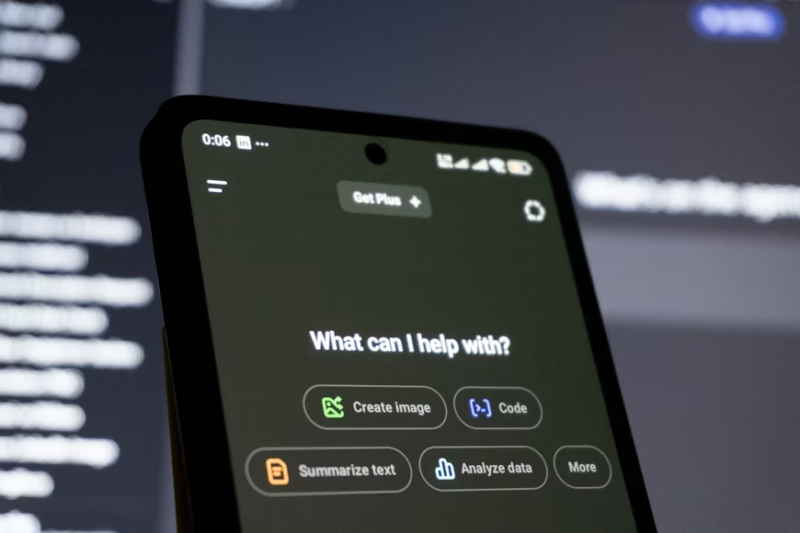
Midway through this transition, many educators experiment with widely accessible conversational systems—often explored by students in environments described simply as ChatGPT online free—to better understand how AI can support brainstorming, feedback, and conceptual clarification without undermining academic integrity.
“The challenge is not whether students will use AI, but how institutions guide that use responsibly,” notes Professor Daniel Brooks, specialist in AI ethics in education.
Hybrid, HyFlex, and Immersive Learning Models
Beyond Fully Online or Fully In-Person
Future classrooms increasingly support hybrid and HyFlex models, allowing students to choose how they participate.
Benefits include:
- Greater accessibility
- Accommodation of diverse learning needs
- Increased resilience during disruptions
However, effective hybrid teaching requires intentional design, not simple livestreaming.
Virtual and Augmented Reality
VR and AR technologies are transforming experiential learning.
Examples include:
- Virtual laboratories for science courses
- Simulated courtrooms for law students
- Immersive historical reconstructions
Research shows that immersive environments enhance spatial understanding and long-term retention when aligned with clear learning objectives.
Data, Analytics, and Learning Insights
Learning Analytics in the Classroom
Data-driven insights help educators understand how students learn.
Learning analytics can reveal:
- Patterns of engagement
- Early warning signs of disengagement
- Effectiveness of instructional strategies
When used ethically, analytics support intervention rather than surveillance.
Privacy and Ethical Considerations
The use of student data raises serious concerns:
- Informed consent
- Data security
- Algorithmic bias
Universities must establish transparent governance frameworks to ensure trust.
The Role of Faculty in Technology-Enhanced Classrooms
Technology does not diminish the importance of instructors—it amplifies it.
New Pedagogical Skills
Faculty in future classrooms must:
- Design interactive learning experiences
- Facilitate discussion rather than lecture continuously
- Critically evaluate educational technologies
Professional development is therefore essential.
“The most advanced classroom fails if pedagogy remains unchanged,” argues Dr. Sofia Ramirez, higher education policy analyst.
Equity, Access, and the Digital Divide
Unequal Access to Technology
Despite innovation, not all students benefit equally.
Challenges include:
- Inconsistent access to devices
- Limited broadband connectivity
- Differing levels of digital literacy
Future classrooms must be designed with inclusion in mind.
Universal Design for Learning (UDL)
UDL principles guide the creation of flexible learning environments that accommodate diverse learners through:
- Multiple means of engagement
- Multiple forms of representation
- Multiple ways to demonstrate learning
Technology plays a key role in implementing these principles at scale.
Redefining Assessment and Academic Integrity
Assessment in Technology-Rich Environments
Traditional exams are increasingly complemented by:
- Project-based assessment
- Portfolios
- Collaborative assignments
These formats better reflect real-world problem-solving.
Academic Integrity in the AI Era
AI challenges conventional definitions of cheating and originality.
Institutions are responding by:
- Updating academic policies
- Emphasizing process over product
- Teaching ethical AI use explicitly
The future classroom treats integrity as a learning outcome, not just a rule.
Institutional Strategy and Infrastructure
Beyond Individual Classrooms
Transforming classrooms requires institutional commitment.
Key components include:
- Scalable infrastructure
- Faculty support systems
- Clear technology governance
Short-term experimentation must align with long-term strategy.
Student Experience and Expectations
Today’s students expect learning environments that reflect the digital world they inhabit.
Surveys show students value:
- Flexibility
- Interactivity
- Practical relevance
However, they also express fatigue with poorly implemented technology, underscoring the need for thoughtful design.
The Classroom as a Social Space
Despite digital advances, physical presence remains valuable.
Human Connection in High-Tech Spaces
Future classrooms emphasize:
- Collaboration
- Dialogue
- Community building
Technology supports these goals when it enhances, rather than replaces, human interaction.
Conclusion: Designing Classrooms with Purpose
Technologies in the classrooms of the future are not defined by novelty, but by intention. When guided by pedagogical goals, ethical principles, and inclusive design, technology can transform higher education into a more engaging, equitable, and effective system.
The most successful future classrooms will not ask what technology can do, but what learning requires—and how technology can serve it.
The classroom of the future is not a place filled with screens. It is a space where technology quietly empowers curiosity, collaboration, and critical thought.