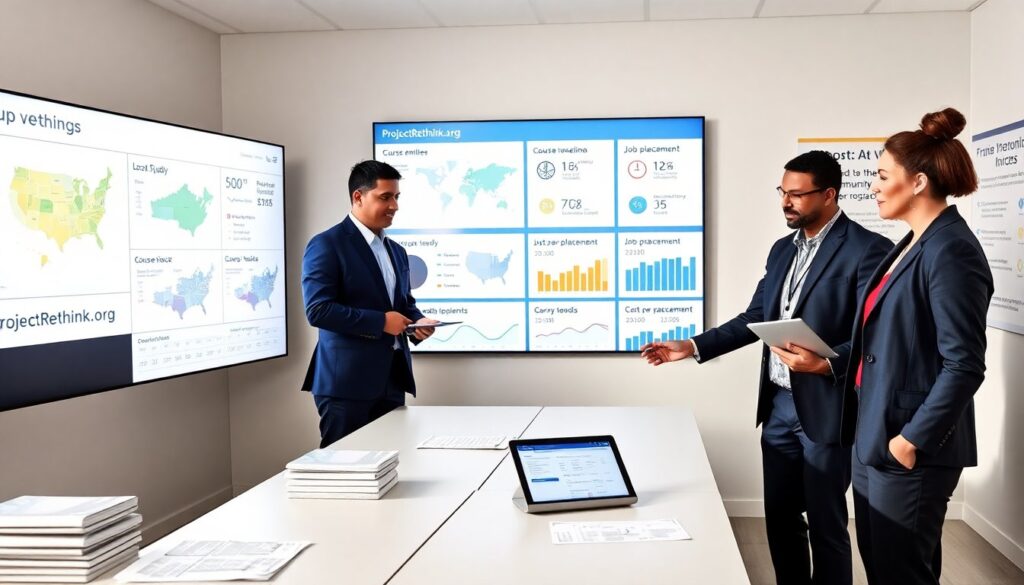
Project ReThink.org launches programs that change how communities learn and grow. The initiative focuses on practical skills, community partnerships, and measurable results. It aims to help learners, educators, and local leaders. The site explains goals, shares tools, and invites action. Readers will learn what Project ReThink.org does and how it measures impact.
Key Takeaways
- ProjectReThink.org bridges education and local workforce needs by offering practical skills programs tailored to community demands.
- The initiative measures impact using clear metrics like course completion, employment outcomes, and employer feedback, sharing data openly for transparency.
- ProjectReThink.org supports local communities through partner collaboration, offering project-based learning, teacher training, and community learning hubs.
- The platform encourages involvement from volunteers, schools, employers, and funders with clear roles, tools, and easy onboarding processes.
- Open sharing of methods and data helps replicate success and lowers barriers for adopting ProjectReThink.org programs nationwide.
- ProjectReThink.org prioritizes equity by focusing efforts on communities with limited training opportunities and high unemployment.
What Project ReThink Stands For: Mission, Origins, And Audience
Project ReThink.org started as a response to gaps in local education and workforce support. The team identified missing bridges between classroom learning and local jobs. The founders created clear goals: align curricula with community needs, train local educators, and create project-based learning that yields real outcomes. Project ReThink.org targets three audiences: students who need practical skills, teachers who need new methods, and civic leaders who need measurable results. The initiative emphasizes local data. The staff collects outcome measures and shares them publicly on Project ReThink.org. The site offers case studies, curriculum samples, and outcome dashboards. Each case study shows inputs, activities, and outcomes in plain terms. The initiative publishes the methods and the data so partners can reproduce success. Project ReThink.org frames equity as access to useful skills and local opportunity. The program prioritizes communities with limited training and high unemployment. The team co-designs programs with local schools, community colleges, and employers. The audience finds guidance for starting a program, for scaling a pilot, or for adapting materials. Project ReThink.org lists contact points for educators, partners, and funders. The pages use clear language and action steps. The project supports iterative improvement. Teams test a pilot, collect simple metrics, and adjust the approach. Project ReThink.org encourages sharing results and tools under open licenses to lower barriers for new adopters. The approach keeps costs transparent. The organization posts budgets and funding sources so local leaders can plan. Project ReThink.org also highlights stories from participants to show human impact.
Core Programs, Projects, And Impact Areas
Project ReThink.org runs three core program types that connect skills, employers, and community resources. The first program creates short applied courses that focus on local employer needs. The courses run eight to twelve weeks and include employer mentors. Project ReThink.org maps local demand and builds a quick curriculum. The second program funds community learning hubs that host classes, apprenticeships, and civic projects. The hubs partner with schools, libraries, and workforce agencies. Each hub reports attendance, job placements, and participant satisfaction on Project ReThink.org. The third program supports teacher training. The team trains teachers to run project-based modules that align with local work opportunities. Trainers model lessons, co-teach, and provide coaching cycles. Project ReThink.org measures success with clear indicators: course completion, credential attainment, employment outcomes, and employer feedback. The site publishes monthly summaries that show trends across regions. Project ReThink.org also runs focused projects. One project places renewable energy apprenticeships in small towns. Another project connects local farms with food-systems training and supply-chain internships. Each project shows inputs, partner roles, costs, and outcomes on the public portal. Project ReThink.org highlights cost per successful placement so funders can compare models. The initiative also invests in simple technology tools. The tools track participant progress and employer signals. Project ReThink.org offers templates for local data collection and privacy-compliant consent forms. The team works with community partners to adapt the tools. Project ReThink.org prioritizes low-friction adoption. The platform integrates with common school systems and uses mobile-friendly interfaces. The initiative publishes lessons learned and warns about common pitfalls. For example, Project ReThink.org notes that programs fail when employers are not involved early. The site prescribes steps to secure employer buy-in, such as co-design workshops and short paid trials. Project ReThink.org encourages small pilots and rapid learning. The team shares timelines and budget ranges to help local planners decide which model fits their context.
How To Get Involved: Volunteer, Partner, Or Support Project ReThink
Project ReThink.org offers clear paths to join the work. Volunteers may tutor, mentor, or help run local events. The site lists volunteer roles, time commitments, and simple onboarding steps. A prospective volunteer signs up, completes a short background check, and receives role instructions. Partners may be schools, employers, or civic groups. Project ReThink.org provides a partnership kit that explains roles, expectations, and data sharing. The kit includes sample memoranda of understanding and a budget template. Employers can offer short apprenticeships, equipment donations, or guest instructors. Schools can host hubs or offer credit for applied projects. Project ReThink.org asks partners to commit to clear deliverables and simple metrics. Funders may give unrestricted support, sponsor a hub, or fund a specific project. Project ReThink.org lists current funding needs and impact targets. The site explains how funders will see results via public dashboards and regular reports. Donors receive clear updates that show dollars to outcomes. Project ReThink.org also supports local leaders who want to adapt a model. The site offers a starter grant that covers planning and initial data work. The starter grant requires a short application and a local match. Project ReThink.org runs regular orientation sessions and monthly office hours. The team answers questions and helps new partners draft a pilot plan. The site provides a step-by-step checklist to launch a pilot in eight weeks. Project ReThink.org tracks new pilots and posts lessons from each launch. The team encourages feedback and invites site visitors to propose new projects through a simple online form. Project ReThink.org then responds with next steps and a timeline.