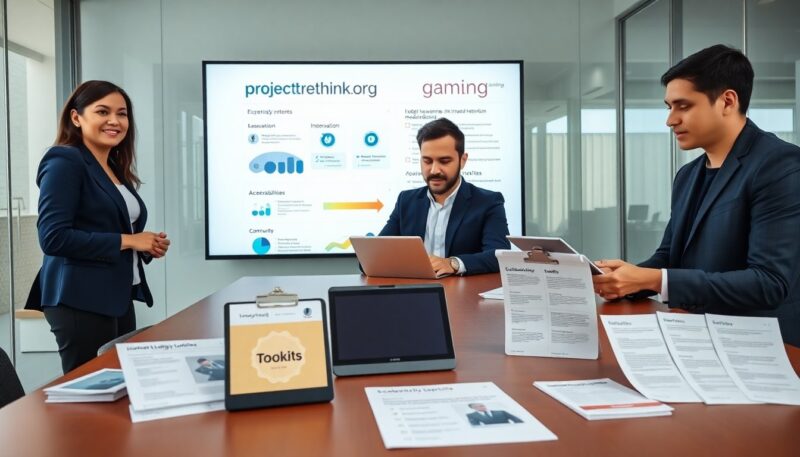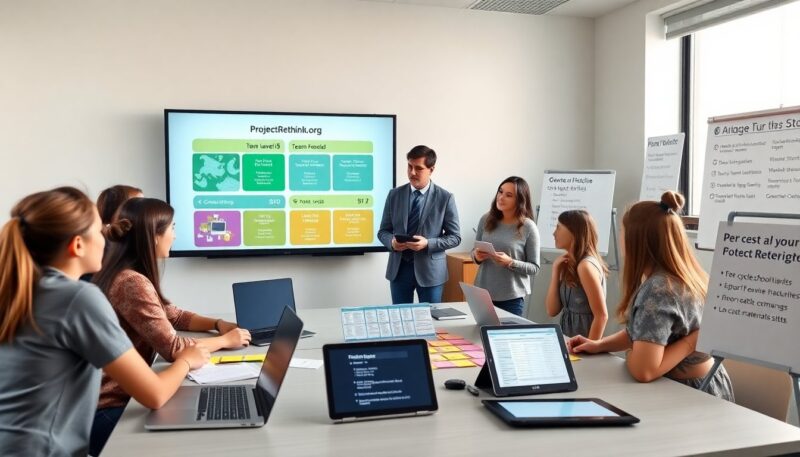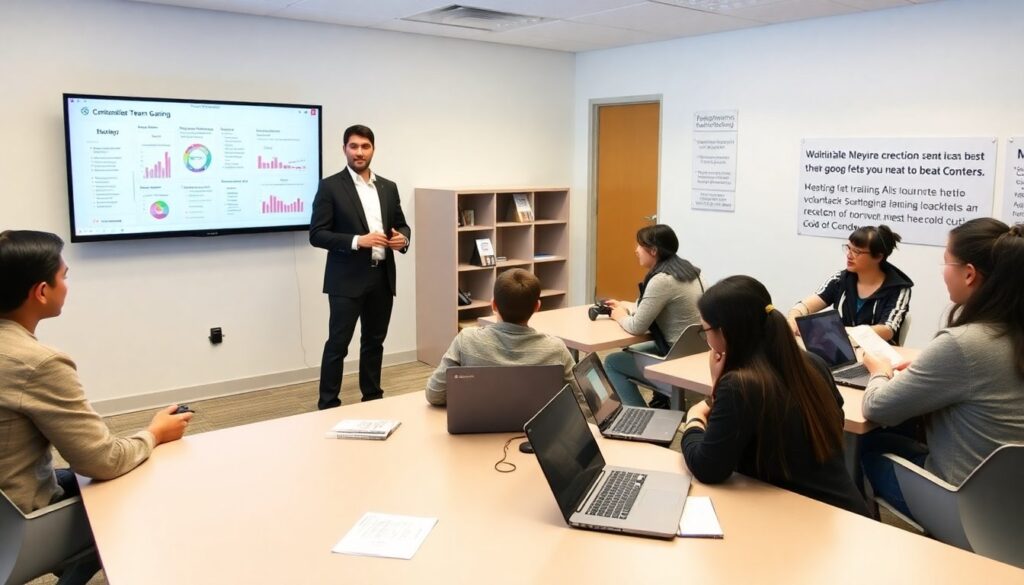
projectrethink .org team gaming explains how volunteers create safer play for players. The group sets clear rules. The group trains local leaders. The group tracks problems and fixes them. The group shares tools, guides, and session plans. The group measures results and updates practices to keep players safe and improve learning.
Key Takeaways
- Project Rethink’s team gaming program creates safer play environments by setting clear rules, training local leaders, and actively tracking and resolving issues.
- The program uses structured roles and safety measures, like a code of conduct and reporting channels, to foster fair and inclusive gameplay.
- Volunteers receive comprehensive training on facilitation, moderation, and digital citizenship to effectively manage sessions and reduce bullying and hate speech.
- Data collection and session reports are central to improving practices and demonstrating measurable reductions in incidents during team gaming.
- Local leaders can easily join, contribute, and run sessions with support from Project Rethink, including access to templates, mentorship, and small grants.
- The team gaming program emphasizes player education through short lessons and debriefs that teach teamwork, problem solving, empathy, and safe online behavior.
What Project Rethink Is And Why Team Gaming Matters
Project Rethink is a nonprofit that runs community projects. Project Rethink runs a team gaming program. The program aims to reduce harm and boost skills in play. The group focuses on clear rules, fair moderation, and inclusive design. The group uses data from sessions to guide changes.
Project Rethink links schools, libraries, and local clubs. The group trains volunteers to run sessions. The group provides lesson plans and behavior scripts. The program shows how play can teach teamwork, problem solving, and empathy. The program also lowers bullying and hate speech in games.
Project Rethink publishes reports. The reports show attendance, incident rates, and positive outcomes. The reports show that structured team play cuts reportable incidents by a measurable margin. The group uses those results to convince partners and funders to support local programs.
Project Rethink also builds tools. The tools include cheat-detection checklists, role sheets, and simple analytics dashboards. The tools help leaders keep sessions fair and focused. The tools work with popular platforms and with in-person play.
How The Team Gaming Program Works: Structure, Roles, And Safety Measures
The program runs on a clear structure. Each session has a facilitator, a co-facilitator, and player guides. The facilitator leads the session. The co-facilitator watches for rule breaks and steps in when needed. The player guides explain roles and objectives in plain language.
The program assigns roles that match player age and skill. The roles include leader, communicator, and observer. The observer records incidents and notes learning moments. The roles rotate so each player tries different tasks and learns different skills.
The program sets safety measures before play starts. The measures include a code of conduct, a reporting channel, and a quick cooling-off step. The code of conduct lists allowed actions and banned actions in simple terms. The reporting channel allows private messages to staff. The cooling-off step gives a short break and a scripted talk for conflict resolution.
The program limits session size to keep oversight effective. The group recommends 6 to 12 players for most formats. The group suggests shorter sessions for younger players. The program also includes age-appropriate content flags and voice chat rules.
The program collects session data with consent. The data includes attendance, incident types, and resolution time. Staff review data after each session and adjust roles or rules. The group publishes anonymized trends so leaders can learn from each other.
Moderation, Reporting, And Player Education
Moderation uses clear steps. A moderator spots bad behavior. The moderator issues a warning. The moderator documents the event. Repeated issues lead to temporary removal.
Reporting uses a low-friction form. Players can report with one click or a short message. Staff respond within a fixed time window. Staff follow a checklist to verify facts and to apply the right action. The checklist includes witness statements, chat logs, and play logs.
Player education uses short lessons. Leaders teach rule basics at session start. Leaders run mini-debriefs after each round to point out good teamwork and mistakes. The group uses short videos and one-page tips to teach new players.
The program teaches digital citizenship. The lessons cover consent in voice chat, basic privacy habits, and how to call for help. The lessons use examples from common game scenarios. The lessons stay practical and short so players retain them.
The group trains moderators with scenario drills. Trainees practice warning scripts, de-escalation phrases, and fair enforcement. Trainees also learn how to log incidents and how to explain actions to parents or partners.
How To Join, Contribute, And Run A Local Team Gaming Session
Interested people visit projectrethink .org team gaming to start. The site lists volunteer roles and local chapters. The site hosts a signup form that asks for basic skills and availability.
To join, a person signs the volunteer code and completes a short training module. The training covers facilitator duties, reporting steps, and safety measures. The training takes about two hours and ends with a short quiz.
To contribute, a person can run sessions, translate materials, or help with data. The site provides templates for session plans and flyers. The site also hosts a community forum where leaders share tips and session notes.
To run a local session, a leader picks a format from the template library. The leader adapts the plan to venue size and player age. The leader assigns roles and sends a simple pre-session message to players. The pre-session message lists rules, start time, and tech checks.
On session day, the leader runs a short intro and assigns roles. The leader runs warm-up exercises and then starts the main activity. The leader uses the reporting form if issues occur and runs a five-minute debrief at the end.
Project Rethink supports new leaders with a mentor. The mentor watches the first two sessions and gives feedback. The mentor also helps leaders with incident reviews and with adapting plans to local needs.
Local groups can apply for small grants through projectrethink .org team gaming. Grants cover basic gear, game licenses, or venue fees. The application asks for a simple budget and a session plan.