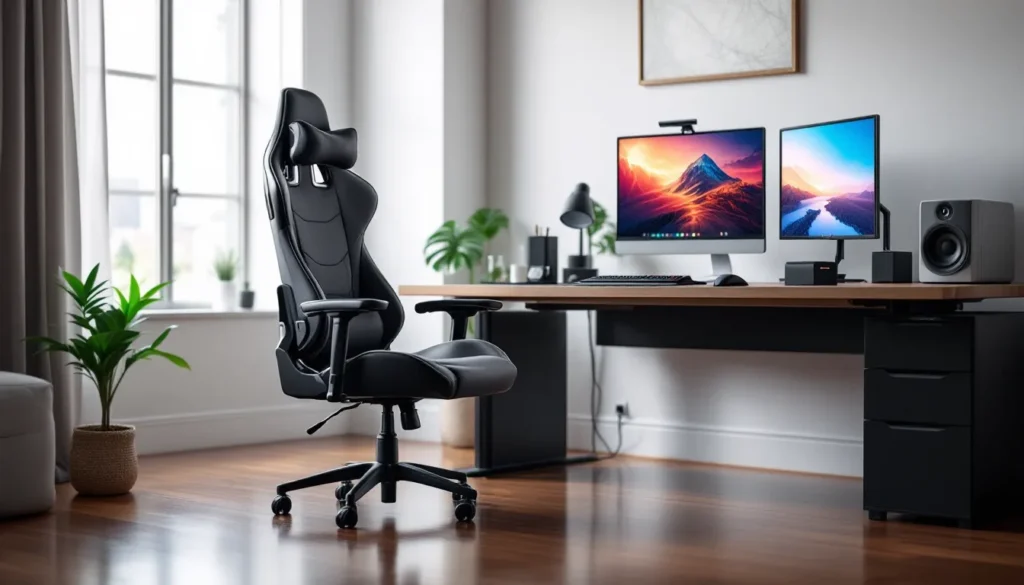
If you’ve ever peeled yourself off a PU leather gaming chair after a marathon session, you know the feeling: sweat-soaked back, that unpleasant stickiness, and the immediate regret of not choosing something more breathable. Cloth gaming chairs solve that problem without forcing you to compromise on support, adjustability, or that classic gaming aesthetic.
The gaming chair market has evolved significantly since the early days of racing-style buckets. Cloth upholstery has gone from a budget afterthought to a legitimate performance choice, especially as manufacturers realize gamers prioritize long-term comfort over flashy materials that degrade fast. Whether you’re grinding ranked matches, streaming eight-hour sessions, or just want a chair that doesn’t turn into a sauna by hour three, cloth offers a compelling mix of breathability, durability, and value.
This guide breaks down everything worth knowing about cloth gaming chairs in 2026, from material comparisons and must-have features to specific recommendations across every price bracket. No fluff, just what matters when you’re about to drop money on something you’ll sit in for thousands of hours.
Key Takeaways
- Cloth gaming chairs offer superior breathability and temperature control compared to PU leather, eliminating heat trapping and sweat buildup during extended gaming sessions.
- A cloth gaming chair typically costs 15-30% less than equivalent leather models while maintaining the same frame, mechanisms, and ergonomic support without sacrificing structural quality.
- Cloth upholstery ages gracefully and resists flaking, with proper maintenance extending the lifespan to 4-5 years of heavy use compared to PU leather’s 12-24 month degradation timeline.
- Mid-range cloth gaming chairs ($250-400) represent the best value, delivering 4D armrests, quality foam, and durable stain-resistant fabrics ideal for most gamers.
- Preventing stains and wear requires minimal effort: weekly vacuuming, prompt spill cleanup within minutes, and occasional spot-cleaning ensure long-term performance and appearance.
- Cloth gaming chairs are the smarter choice for gamers prioritizing comfort, durability, and affordability over flashy aesthetics, especially those gaming 4+ hours daily in warm climates.
What Is a Cloth Gaming Chair and Why Choose One?
A cloth gaming chair uses fabric upholstery, typically polyester, mesh-blend, or soft-touch textile, instead of PU leather, PVC, or genuine leather. The construction underneath remains identical to other gaming chairs: steel or aluminum frames, high-density foam padding, gas lift mechanisms, and ergonomic designs borrowed from racing seats. The difference is purely in the surface material.
Gamers choose cloth for three main reasons: breathability, longevity, and comfort during extended sessions. PU leather looks premium out of the box but starts flaking after 12-18 months of heavy use. Cloth doesn’t have that problem. It also doesn’t trap heat against your body, which matters more than most people realize until they’ve sat through a summer heatwave or an all-nighter without AC.
Cloth chairs also tend to feel softer to the touch. There’s no cold, slick surface when you first sit down, just immediate comfort. That tactile difference might seem minor, but it adds up over hundreds of hours. If you’ve ever avoided sitting in your chair because it felt unpleasant in the first few seconds, you know what I’m talking about.
The trade-off? Cloth is more vulnerable to stains and requires occasional cleaning. But for most gamers, that’s a small price to pay for a chair that stays comfortable year-round and doesn’t disintegrate into a flaky mess by year two.
Key Benefits of Cloth Gaming Chairs
Breathability and Temperature Control
This is the big one. Cloth allows airflow in ways that synthetic leather simply can’t. When you sit for hours, your body generates heat. PU leather traps that heat and moisture against your skin, creating the dreaded swamp-back effect. Cloth wicks moisture away and lets air circulate, keeping your back and legs significantly cooler.
In practical terms, this means you can game through summer without feeling like you’re sitting in a puddle. It also matters for streamers running hot setups with multiple monitors, capture cards, and lighting rigs, all of which pump extra heat into a room. According to many hardware reviews and thermal testing, ambient temperature control is often overlooked in gaming setup optimization, but it directly impacts comfort and performance during long sessions.
The difference is especially noticeable if you live in a warm climate or don’t have central air. Even in cooler environments, cloth prevents that clammy feeling that builds up after hour three of a raid or ranked grind.
Affordability Without Sacrificing Quality
Cloth gaming chairs typically cost 15-30% less than equivalent PU leather models. Manufacturers save on material costs, and those savings get passed down. That doesn’t mean cloth chairs are cheap or poorly built, many mid-range and premium options use the same frames, mechanisms, and foam as their leather counterparts.
You’re not compromising on structural quality. You’re just choosing a different surface material that happens to cost less to produce. For budget-conscious gamers or anyone furnishing a full setup, that price gap can mean the difference between affording a good chair now versus settling for an office chair that wrecks your posture.
Some of the best value propositions in the chair market right now are cloth models that deliver 90% of the features found in chairs costing $150-200 more. The margins on PU leather are artificially inflated because it looks premium, even though it performs worse over time.
Easy Maintenance and Cleaning
PU leather is a pain to maintain. It cracks, flakes, and eventually sheds micro-debris all over your floor. When it starts going, there’s no fixing it, you either live with a deteriorating chair or replace it. Cloth, by contrast, ages more gracefully. It might develop some wear patterns or slight fading, but it doesn’t catastrophically fail.
Cleaning is straightforward: vacuum regularly to remove dust and crumbs, spot-clean spills with mild detergent and water, and occasionally hit it with upholstery cleaner for a deeper refresh. Most modern gaming chairs use stain-resistant fabric treatments, so common spills (water, soda, even coffee) wipe away if you catch them quickly.
The biggest maintenance win is longevity. A well-cared-for cloth chair can look decent for 4-5 years of heavy use. PU leather rarely makes it past two years without visible degradation, especially on high-contact areas like armrests and seat edges.
Cloth vs. Leather vs. Mesh: Which Material Is Right for You?
Cloth Gaming Chairs Compared to PU Leather
PU leather dominates gaming chair marketing because it photographs well and signals “premium” to casual buyers. In practice, it’s one of the worst materials for long-term use. It traps heat, sticks to skin, and begins flaking within 12-24 months depending on usage and climate. The flaking is especially bad in dry or hot environments, small black or white chips start appearing on your floor, clothes, and desk.
Cloth solves every one of those problems. It breathes, stays soft, and doesn’t degrade into a mess. The visual trade-off is that cloth looks more understated, less “gaming chair” and more “nice office chair.” For some people, that’s actually a plus. If you’re building a setup that doesn’t scream RGB and racing stripes, cloth blends better.
There’s also the comfort factor. PU leather feels cold and slick on bare skin. If you game in shorts or a T-shirt, you’ll feel the difference immediately. Cloth feels neutral and soft, no matter what you’re wearing. That tactile comfort matters more than most reviews acknowledge.
The only real advantage PU leather holds is easy wipe-down cleaning for liquids. Spill something on leather, and it beads up for quick cleanup. Spill on cloth, and you need to blot and treat it. But given how rarely catastrophic spills actually happen versus how often you deal with heat and degradation, cloth wins for most users.
Cloth Gaming Chairs vs. Mesh Gaming Chairs
Mesh is the third contender, and it’s worth understanding where it fits. Mesh chairs, popularized by office ergonomics like the Herman Miller Aeron, offer maximum breathability. They’re cooler than cloth and significantly cooler than leather. But mesh gaming chairs are rare and expensive, and they sacrifice some cushioning in favor of ventilation.
Cloth strikes a middle ground. It’s more breathable than leather but less airy than mesh. It’s softer and more cushioned than mesh but less plush than thick leather padding. For most gamers, that balance is ideal, you get enough airflow to stay comfortable without giving up the cozy, enveloping feel that makes a gaming chair distinct from a task chair.
Mesh also shows wear differently. It can sag or stretch over time, especially on cheaper models. Cloth maintains its shape better and feels more substantial under you. If you prefer firm, supportive seating, cloth delivers that better than mesh.
The choice comes down to priorities. If maximum cooling is non-negotiable and you don’t mind a firmer sit, mesh is worth considering. If you want breathability and comfort and durability, cloth is the smarter pick.
Top Features to Look for in a Cloth Gaming Chair
Ergonomic Design and Lumbar Support
A pretty fabric wrapped around a poorly designed frame is still a bad chair. Ergonomics matter more than material. Look for chairs with adjustable lumbar support, either built-in mechanisms or removable cushions you can position where your spine needs it most. The lumbar curve should sit around the L4-L5 vertebrae, roughly where your lower back meets your hips.
Some chairs include adjustable lumbar systems that let you dial in depth and height. These are worth paying extra for if you have back issues or game for 4+ hours daily. Fixed lumbar cushions are better than nothing, but they don’t fit everyone’s body.
The seat pan (the part you sit on) should be long enough to support your thighs without cutting off circulation behind your knees. If your legs go numb after an hour, the pan is too deep. Most good gaming chairs accommodate a range of heights, but check dimensions if you’re especially tall or short.
Headrest pillows are common but optional. They’re useful if you recline frequently or want neck support during cutscenes and queue times. If you sit upright most of the time, you probably won’t use it much.
Adjustability: Armrests, Height, and Recline
4D armrests are the standard you should demand. That means adjustment in four directions: up/down, forward/back, left/right, and pivot angle. Fixed armrests are a dealbreaker for serious gamers, they force awkward shoulder positions that lead to strain. Proper armrest height keeps your elbows at 90 degrees and takes pressure off your shoulders during mouse and keyboard use.
Height adjustment via gas lift is universal, but the range matters. If you have a high desk or you’re over 6’2″, verify the maximum seat height. Similarly, shorter users should check the minimum height to ensure their feet can rest flat on the floor.
Recline is less critical for active gaming but great for watching streams, queuing, or just taking a break without leaving your chair. Most gaming chairs recline 135-155 degrees. Anything past 140 is enough for a comfortable lean-back. Locking recline at multiple angles is a nice touch, you can set it to 110 degrees for focused gameplay or 140 for relaxed browsing.
Some premium chairs include adjustable recline tension, letting you control how much resistance the backrest offers. This is a subtle feature but appreciated once you try it.
Build Quality and Weight Capacity
Cloth doesn’t magically make a chair better, it just changes the upholstery. The frame underneath still needs to be solid. Look for steel or aluminum frames with rated weight capacities of at least 300 lbs, even if you weigh less. Higher capacity usually indicates beefier construction overall.
Check the foam density. High-density cold-cure foam holds its shape longer than cheap foam, which compresses and goes flat after 6-12 months. Manufacturers don’t always list foam specs, but reviews and user reports will mention if a chair bottoms out quickly.
The base should be aluminum or reinforced nylon, not cheap plastic. Five-star bases distribute weight better than four-star designs and are standard on any chair worth buying. Casters should roll smoothly on both carpet and hard floors. Some chairs include rubberized or roller-blade-style wheels that protect hardwood better than standard plastic.
Class 4 gas lifts are the industry standard for safety and durability. They’re rated for hundreds of thousands of cycles and won’t explode under normal use. If a chair doesn’t specify gas lift class, assume it’s lower quality.
Best Cloth Gaming Chairs in 2026
Budget-Friendly Cloth Gaming Chairs
Under $200, your best options are from brands like GTRACING, Homall, and Dowinx. These chairs sacrifice some adjustability and premium materials but deliver solid ergonomics and decent build quality for casual gamers.
The GTRACING GT890M (around $150) is a frequent recommendation in this bracket. It includes lumbar support, 2D armrests, and a 155-degree recline. The cloth is basic polyester, not luxury, but it breathes fine and resists light stains. Weight capacity is 300 lbs. It’s not going to blow anyone away, but it’s a legitimate upgrade from an office chair and won’t disintegrate in a year.
Homall Fabric Gaming Chair (around $130-160) offers similar specs with slightly less padding but better color options. If aesthetics matter and you want something that doesn’t scream “gamer,” this is a solid pick.
Budget chairs usually skimp on armrest adjustability and foam density. They’re fine for 2-4 hour sessions but might feel lacking if you’re a daily 6+ hour user. If you’re just starting out or furnishing a secondary setup, they do the job.
Mid-Range Cloth Gaming Chairs
The $250-400 range is where value peaks. You get 4D armrests, better foam, stronger frames, and fabrics with real stain resistance. This is the sweet spot for most gamers.
Secretlab TITAN Evo 2024 (around $550-600, technically upper mid-range) includes a cloth option called SoftWeave Plus. It’s one of the best fabric implementations in gaming chairs, soft, durable, and easy to clean. The Evo series also features magnetic lumbar support, 4D armrests, and build quality that justifies the price. Weight capacity goes up to 395 lbs on the XL model. Many enthusiasts and pro gamers featured on settings databases use Secretlab chairs due to their adjustability and long-term comfort.
Another strong contender is the Corsair TC100 Relaxed (around $280-320). It’s designed for laid-back gaming with a wider seat and softer cushioning. The fabric is breathable and thick, and Corsair’s build quality is reliable. It’s not as adjustable as the Secretlab, but it’s also $200+ cheaper.
Noblechairs ICON in fabric (around $400-450) is for people who want a more executive look. It uses high-end polyester-blend fabric, offers excellent lumbar support, and feels premium without the gamer aesthetic. It’s heavier and more solid than most competitors.
Mid-range chairs should last 4-5 years with proper care. They’re built for daily use and won’t show significant wear in the first two years.
Premium Cloth Gaming Chairs
Above $500, you’re paying for top-tier materials, extended warranties, and brand prestige. Most premium cloth chairs come from brands that also make office ergonomics, like Herman Miller, Steelcase, or boutique gaming brands like Secretlab and Noblechairs.
The Herman Miller x Logitech Embody Gaming Chair (around $1,200-1,500) is the aspirational pick. It uses a textile-and-mesh hybrid that’s breathable, durable, and backed by a 12-year warranty. The Embody prioritizes spinal alignment and dynamic support over racing-seat styling. It’s overkill for casual gamers, but if you sit 8+ hours a day for work and gaming, it’s an investment in long-term back health.
Secretlab TITAN Evo in SoftWeave Plus (mentioned earlier) sits at the lower end of premium and offers 90% of the Embody’s comfort for less than half the price. It’s the best balance of gaming-specific features and ergonomic quality.
Premium chairs are for people who view their chair as long-term infrastructure. You’re buying something that should outlast multiple desk, monitor, and PC upgrades. If you’re unsure whether you need this tier, you probably don’t, mid-range is more than enough for most people.
How to Care for and Maintain Your Cloth Gaming Chair
Cloth requires more hands-on maintenance than leather, but the effort is minimal if you build good habits.
Weekly: Vacuum the chair with an upholstery attachment. This pulls out dust, crumbs, hair, and other debris before it works into the fabric. Takes two minutes and prevents buildup that makes the chair look dingy.
Monthly: Spot-clean any visible stains or marks. Use a cloth dampened with water and a drop of mild detergent. Blot, don’t rub, rubbing spreads the stain and damages fibers. For stubborn spots, upholstery cleaner or a fabric stain remover works well. Test any cleaner on a hidden area first to make sure it doesn’t discolor the fabric.
Quarterly: Deep clean with an upholstery shampooer or steam cleaner. This lifts embedded grime and refreshes the fabric. If you don’t own a steam cleaner, many hardware stores rent them. Let the chair dry completely before using it, sitting on damp fabric encourages mold and smells.
As needed: Treat spills immediately. Blot liquids with a dry towel, then follow with spot-cleaning. The faster you act, the less likely a permanent stain. For detailed instructions on various cleaning methods, resources like tech setup guides often cover upholstery care alongside other home and gaming equipment maintenance.
Some manufacturers apply stain-resistant coatings to their fabrics, but these degrade over time. You can reapply fabric protectant spray (like Scotchgard) every 6-12 months to extend stain resistance.
Avoid harsh chemicals, bleach, or anything abrasive. These can discolor or weaken the fabric. Stick to gentle cleaners designed for upholstery or textiles.
If you eat or drink at your desk, consider using a towel or blanket over your chair during meals. It sounds paranoid, but one spilled energy drink can ruin a chair if it soaks in before you notice.
Common Issues with Cloth Gaming Chairs and How to Avoid Them
Stains and Spills
This is the biggest perceived weakness of cloth chairs. Coffee, soda, grease from snacks, and even sweat can leave marks if not addressed promptly. The key is speed: catch spills within minutes, and they rarely set.
Keep a spray bottle of upholstery cleaner and a microfiber cloth near your desk. When something spills, blot immediately, spray lightly, blot again. Don’t wait until later, “later” turns into “permanent stain.”
For oily stains (pizza grease, lotion, etc.), sprinkle baking soda on the spot, let it sit for 15 minutes to absorb the oil, then vacuum and spot-clean. This prevents the oil from spreading deeper into the foam.
If you’re prone to spills or have pets, consider a chair with darker fabric. Grays and blacks hide minor stains better than light blues or whites. Some manufacturers offer fabric color options, pick strategically.
Wear and Tear Over Time
Cloth doesn’t flake like PU leather, but it does show wear. High-contact areas, seat edges, armrest tops, the center of the backrest, will develop a slightly matted or faded look after 2-3 years of heavy use. This is cosmetic and doesn’t affect function, but it bothers some people.
You can slow this by rotating how you sit (alternate which side you lean on), using armrest covers, and keeping the chair out of direct sunlight, which fades fabric faster.
Pilling, those little fabric balls that form on some textiles, can appear on cheaper cloth. A fabric shaver removes them easily. Higher-quality chairs use anti-pill fabrics that resist this.
Seams and stitching are potential weak points. Inspect these every few months. If you notice loose threads, trim them carefully with scissors. Don’t pull, pulling can unravel the seam. Most well-made chairs have reinforced stitching that holds up for years, but budget models occasionally skip this.
If you catch problems early, loose thread, small stain, minor odor, they’re easy fixes. Ignore them, and they become bigger issues. Treat your chair like you’d treat your rig: a little preventive maintenance goes a long way.
Who Should Buy a Cloth Gaming Chair?
Cloth gaming chairs are ideal for gamers who prioritize comfort, breathability, and long-term durability over flashy aesthetics. If you game for 4+ hours a day, live in a warm climate, or have had bad experiences with PU leather flaking apart, cloth is the obvious choice.
They’re also great for anyone building a more understated setup. If you’re streaming, working from home, or just don’t want a chair that looks like it belongs in a race car, cloth offers a cleaner, more versatile look. It blends into home offices and living spaces better than loud racing-style leather.
Budget-conscious gamers benefit most. Cloth chairs deliver better value per dollar than leather equivalents because you’re not paying extra for a material that looks premium but performs poorly. You get the same ergonomics and adjustability for less money.
If you have pets, cloth might require more maintenance (fur sticks to fabric), but it’s still better than leather, which cats love to scratch and dogs’ claws can puncture. A lint roller or regular vacuuming handles pet hair fine.
Cloth is also a solid choice for younger gamers or anyone who isn’t yet sure what features they need. It’s forgiving, less likely to degrade quickly if you’re still learning proper chair care, and easier to clean than leather if spills happen during late-night gaming sessions.
The people who shouldn’t buy cloth are those who want minimal maintenance and maximum spill resistance. If you eat and drink at your desk constantly and know you won’t clean up quickly, leather’s wipe-down convenience might outweigh its long-term drawbacks. But that’s a narrow use case.
For most gamers, cloth is the smarter material. It’s comfortable, durable, affordable, and actually delivers on the promises gaming chairs make about all-day comfort.
Conclusion
Cloth gaming chairs have come a long way from being the budget alternative to leather. In 2026, they’re often the smarter choice, offering better breathability, longer lifespans, and more consistent comfort without the premium price tag. The material might not photograph as slickly in marketing shots, but anyone who actually sits in one for hours at a time understands why cloth is winning over more gamers every year.
Whether you’re upgrading from an old office chair, replacing a flaking leather disaster, or building your first proper gaming setup, cloth delivers where it matters: in the day-to-day experience of sitting, gaming, and staying comfortable through marathon sessions. Pick a chair with solid ergonomics, invest in a mid-range model if your budget allows, and treat it with basic care. Do that, and you’ll have a chair that supports your back, keeps you cool, and lasts for years, no flaking, no regrets.