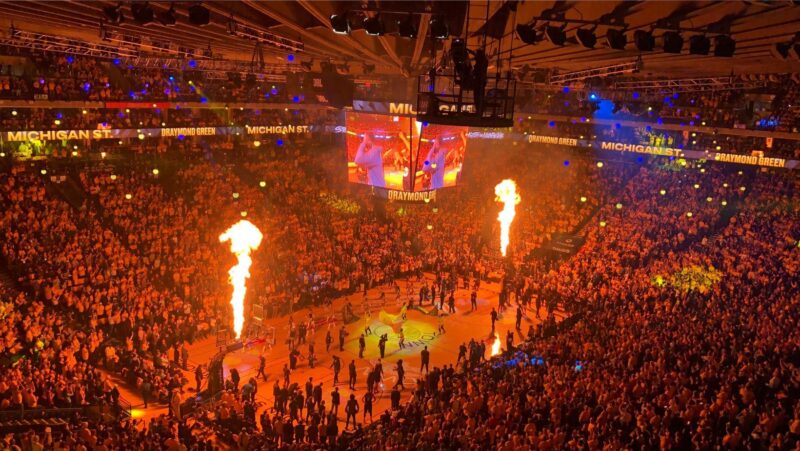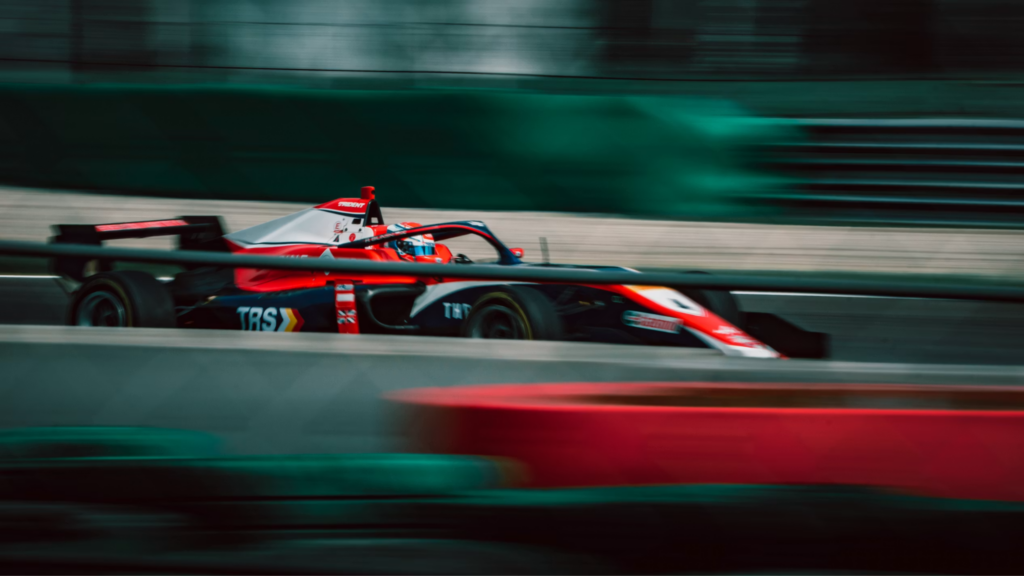
Formula 1 is easy to follow online, but a race weekend feels completely different in person. The sound of the cars, the build-up before lights out, and the reaction of thousands of fans at once create a shared experience that TV cannot fully capture.
That sense of belonging is a big reason people keep coming back to Grands Prix. Formula 1’s 2025 Global Fan Survey found that fan engagement is increasingly emotional, participatory, and always-on, with 61% of surveyed fans engaging with F1 content daily and 90% saying they feel emotionally invested in race outcomes.
Choosing the Grandstand Experience
Part of the excitement starts before race day. Fans often compare circuits, dates, and seating areas before deciding which weekend feels right for them.
Many start by checking an F1 ticket page to look across different Grands Prix and see which race best matches the kind of atmosphere they want. That matters because the crowd at Silverstone feels different from Monza, Spa, or Singapore, and fans usually want more than just a seat. They want to place themselves inside a weekend that already means something to the sport.
That decision is often emotional as much as practical. The same F1 survey notes that fans are drawn in by stories, personalities, and the many ways they can engage with the championship, not just by the final classification on Sunday.
The Crowd Becomes Part of the Show
A Grand Prix crowd has its own rhythm. Team caps and shirts turn the stands into blocks of colour, while every overtake attempt, pit stop, and safety car restart changes the mood in seconds.
Fans do not just sit quietly and watch. They check giant screens, listen to circuit commentary on radios or headsets, compare tyre strategies with strangers nearby, and react together when a fast lap appears on the timing tower. Some of the things that make the weekend feel bigger than the race itself include:
- Packed grandstands filling up hours before the start.
- Fan zones where people gather between sessions.
- Long food and merchandise queues that still feel part of the event.
- Shared cheers when a local favourite appears on screen.
- Nervous silence before a restart or final qualifying run.
- Quick conversations with other fans that turn into instant race analysis.
Those details matter because they make Formula 1 feel social in a very direct way. Even if people arrive supporting different teams, they still become part of the same moving, reacting crowd.
That community side of sport is backed by research beyond motorsport. A Frontiers in Psychology study on sports viewing and wellbeing found that watching sports can support subjective wellbeing through social interaction and emotional experience.
Fan Zones, Screens, and Shared Tension
The modern race weekend stretches far beyond the grandstand seat. Fan zones, simulators, driver merchandise, food areas, and public screens keep people engaged even when the cars are not on track.
This matters because Formula 1 fandom no longer lives only in the two hours of the race. The 2025 survey describes modern fandom as continuous and highly connected, shaped by digital content, live experiences, and daily touchpoints with the sport.
At the circuit, that connected feeling becomes physical. One line for coffee, one queue for team merchandise, one conversation about qualifying pace, and suddenly the whole day feels tied together.
A Weekend That Feels Bigger Than One Result
Some fans remember who won. Others remember the roar when the grid formed up, the wave of noise after a clean overtake, or the exact corner where everyone stood up at once.
That is why Formula 1 weekends leave such a strong impression. They are not only about watching fast cars but about being surrounded by people who understand why every lap, radio message, and strategy call matters.
For many fans, that is the real appeal of attending live. You do not just watch Formula 1 for a few hours. You find your place inside its crowd, its rituals, and its shared emotions.