I set aside $200 for casino gambling this month. Not per week—for the entire month. That’s my entertainment budget, same category as streaming services or going out for drinks.
By day 28, I’d deposited that $200 across four sessions, withdrawn $167 total, and learned that most gambling advice lives in fantasy land. Because nobody talks about what realistic goals actually look like when you’re not chasing life-changing wins.
Here’s what a month of disciplined $200 gambling taught me about expectations, math, and what “winning” actually means when you’re playing with limited funds.
For monthly players on tight budgets, Unibet Casino structures their poker loyalty program with 27% rakeback for consistent play—meaning regular sessions actually accumulate rewards rather than demanding massive one-time deposits to unlock value.
What My Month Actually Looked Like
I split my $200 into four $50 deposits across the month. One per week, roughly. The goal wasn’t to turn $200 into $2,000. It was to see how long that money could last and whether I could break even or come out slightly ahead.
Week 1: Deposited $50, played low-volatility slots at $0.25-0.40 per spin. Lasted about 2.5 hours. Cashed out $34. Net loss: $16.
Week 2: Another $50 deposit. Tried some table games this time—roulette and blackjack. Played for roughly 90 minutes. Left with $58. Net win: $8.
Week 3: Deposited $50, felt confident after last week. Increased bet sizes to $0.75 per spin. Bad move. Out in 45 minutes. Cashed out $11. Net loss: $39.
Week 4: Final $50 deposit. Went back to conservative play. Played for 3 hours. Ended with $64. Net win: $14.
Total invested: $200
Total withdrawn: $167
Net loss: $33
The Math Nobody Wants to Talk About
Here’s the thing about casino math: the house edge is slow but relentless. Even playing games with 96-97% RTP, you’re losing 3-4% of every dollar you wager over time.
With a $200 monthly budget, expecting to consistently profit is unrealistic. The math doesn’t support it. If you’re playing slots with 96% RTP and wagering $1,000 throughout the month (very possible across multiple sessions), you should expect to lose about $40 just from the house edge alone.
My $33 loss was actually better than expected. Some months you’ll be up slightly. Most months you’ll be down. The goal isn’t beating the house—it’s controlling how much you’re paying for entertainment. I spent $33 for roughly 9 hours of play across the month. That’s about $3.67 per hour. Cheaper than seeing movies, honestly.
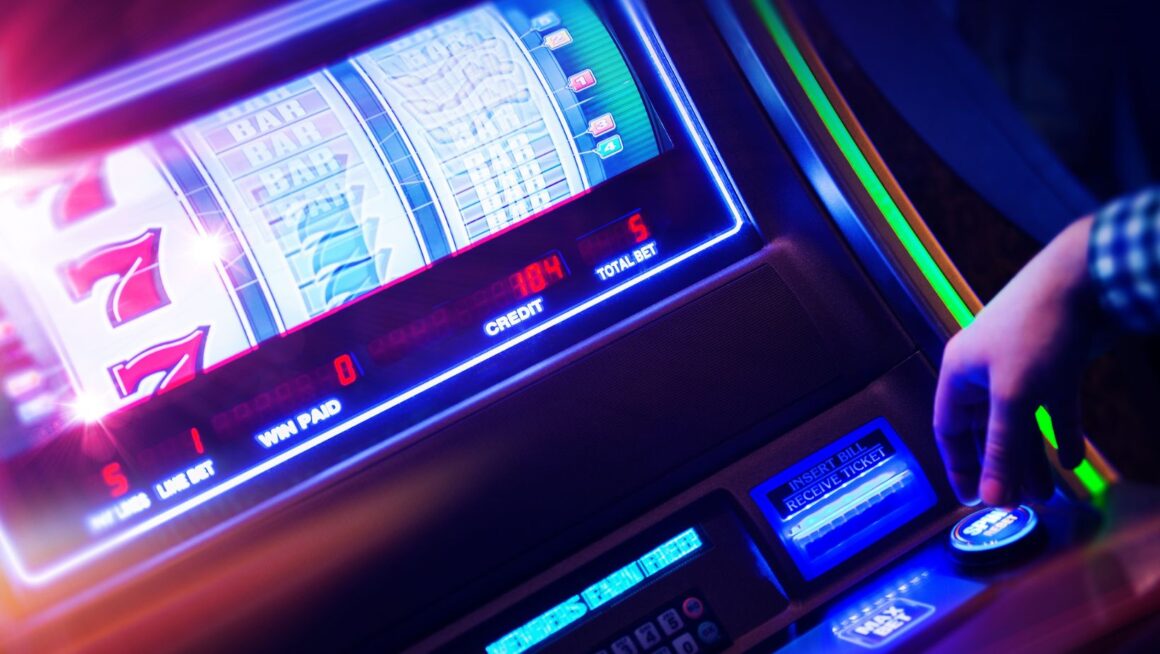
Where the Temptation Hits
Week 3 was my disaster. I was up $8 after two weeks and started thinking, “Maybe I can actually profit this month.” So I increased my bets, chased bigger wins, and predictably crashed.
This is where most monthly budgets explode. You hit one good session and suddenly you’re searching for strategies on how to turn 100 dollars into 1000, convinced this is your month to beat the system. But trying to 10x your bankroll with aggressive betting usually just means you’ll burn through your budget faster and end the month frustrated.
The reality check: if you’re gambling with $200 monthly, you’re playing for entertainment, not income. The moment you forget that, you start making stupid decisions like my Week 3 blowout.
What “Success” Actually Means
After tracking this month, I redefined what success looks like:
Success isn’t: Turning $200 into $1,000
Success is: Making $200 last the entire month without redepositing extra
Success isn’t: Hitting a massive jackpot
Success is: Enjoying your sessions regardless of wins and losses
Success isn’t: Beating the house edge
Success is: Keeping losses under $50 for the month
Once I shifted my mindset, gambling became way less stressful. Week 4 was my best session because I wasn’t chasing anything. I just played, enjoyed some wins, accepted some losses, and walked away when my two hours were up.
What I’d Do Differently Next Month
Looking back, I’d make a few changes:
Skip the bet size increase entirely. My worst session happened when I got greedy. Stick to $0.25-0.40 per spin, period.
Set time limits, not just money limits. Two hours per session maximum, regardless of whether I’m winning or losing. Prevents both chasing losses and giving back wins.
Track everything in a spreadsheet. Writing down deposits, withdrawals, and session length kept me honest. I could see exactly where my money went.
Accept that most months will show small losses. That’s fine. If I lose $30-50 monthly but get 8-10 hours of entertainment, that’s a reasonable trade.
The Bottom Line
What can $200 actually do in a month at online casinos? It can give you 8-12 hours of entertainment if you play smart. It won’t make you rich. It probably won’t even break even most months.
But if you go in with realistic expectations, track your spending, and remember you’re paying for entertainment—not trying to replace your income—then $200 is plenty for a month of casual gambling.
The moment you start believing you’ll turn that $200 into something massive is the moment you’ve already lost more than money.