Gaming has grown into one of the most popular and accessible forms of entertainment worldwide, attracting people of all ages and backgrounds. What once seemed like a niche hobby is now part of everyday culture, with games available on phones, computers, and consoles. For beginners, stepping into the gaming world can feel exciting but also slightly overwhelming due to the sheer number of options available. Understanding the basics helps remove that uncertainty and allows new players to enjoy gaming as a relaxed and rewarding pastime rather than something complicated or intimidating.
At its heart, gaming is about interaction and engagement. Unlike passive entertainment such as watching television, games invite players to make decisions, explore virtual environments, and influence outcomes. This sense of control is what makes gaming so appealing. For beginners, it is important to understand that gaming does not require fast reflexes or advanced skills to be enjoyable. Many games are designed to be welcoming, offering gentle learning curves and flexible play styles that adapt to the player’s pace and interests.
Choosing The Right Gaming Platform
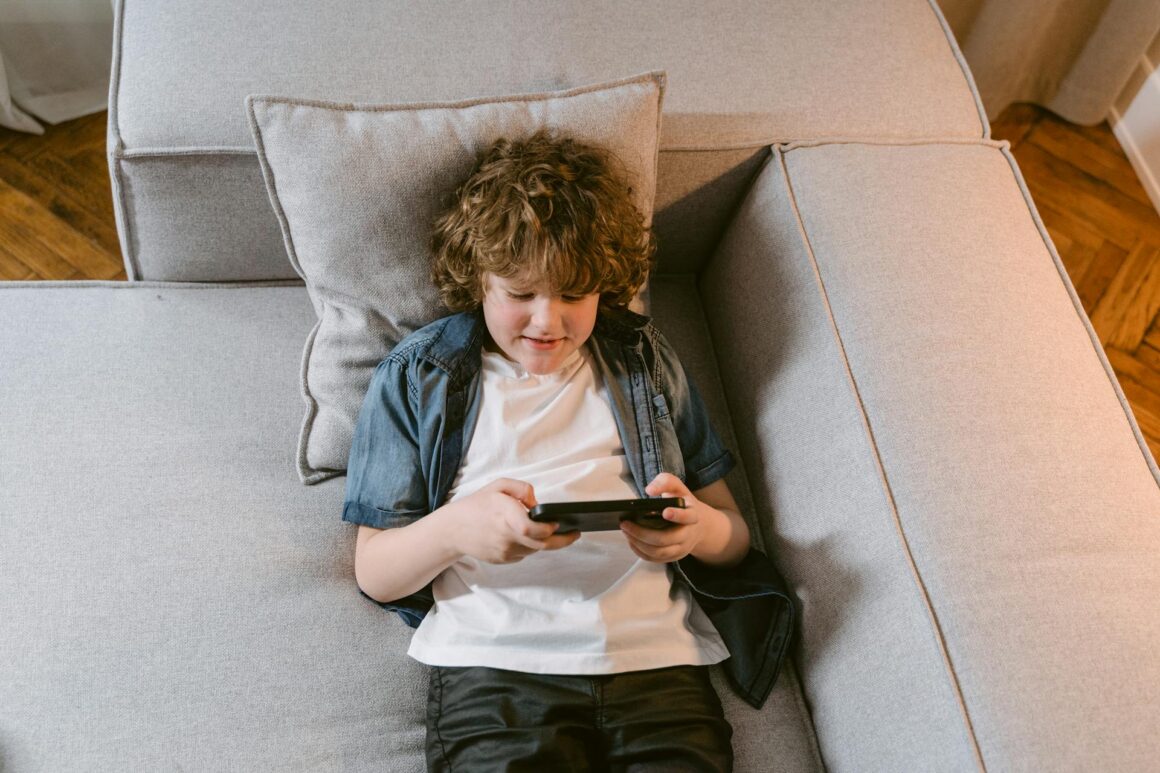
One of the first steps for beginners is deciding which platform to use. Gaming platforms include mobile devices, personal computers, and dedicated consoles, each offering different experiences. Mobile gaming is often the easiest entry point, as it requires little setup and fits easily into daily routines. Consoles and computers offer more immersive experiences with larger worlds and deeper gameplay. The best platform is the one that feels most comfortable and practical for your lifestyle, not necessarily the most advanced or popular option.
Games come in a wide range of styles, each offering something unique. Some focus on storytelling and exploration, allowing players to immerse themselves in rich narratives. Others prioritise creativity, strategy, or competition.
Beginners benefit from experimenting with different types of games to discover what feels enjoyable rather than following trends. Taking time to explore helps build confidence and ensures gaming remains fun instead of feeling like a challenge that needs to be mastered quickly.
Learning Controls And Gameplay Basics
Controls and mechanics can feel unfamiliar at first, which is completely normal for beginners. Most games include tutorials or early levels designed to introduce controls gradually. Learning through practice allows muscle memory and understanding to develop naturally over time.
It is important to be patient and accept mistakes as part of the learning process. Progress in gaming often happens quietly, with players improving without realising it as they spend more time playing.
The Social Side Of Gaming
Gaming can be a social experience as well as a solo one. Many games allow players to connect with friends or meet new people online. For beginners, this can add excitement but may also feel intimidating. Playing with people you trust or joining friendly communities can make gaming more enjoyable and supportive. Positive social interactions often enhance motivation and create a sense of belonging within the gaming world.
Managing Time and Balance And Improving Skills
As games become more engaging, maintaining balance is essential. Beginners should be mindful of how gaming fits into their daily lives alongside work, study, and social commitments. Setting healthy boundaries helps ensure gaming remains a source of enjoyment rather than stress. When approached with balance, gaming can be a relaxing way to unwind without negatively affecting other responsibilities.
Skill development in gaming happens gradually and differently for everyone. Beginners should avoid comparing themselves to experienced players, as everyone starts at a different level. Improvement comes from practice, curiosity, and patience rather than pressure. Celebrating small achievements helps maintain motivation and reinforces a positive relationship with gaming. Over time, confidence builds naturally as skills develop.
Understanding Gaming Culture
Gaming has its own culture, language, and shared experiences that may feel unfamiliar at first. Beginners do not need to understand everything immediately. Watching gameplay, reading about games, or engaging casually with gaming content can help build familiarity. As beginners explore gaming culture more broadly, they may also come across a wide range of digital content online, including live casino.
Safety is an important consideration, especially when gaming online. Beginners should take time to understand privacy settings and practise respectful communication. Being mindful of personal information and interactions helps create a positive and secure gaming environment. Feeling safe allows players to focus on enjoyment and learning without unnecessary concerns.
Why Gaming Can Be A Positive Hobby
Gaming offers more than entertainment. It encourages problem solving, creativity, and relaxation. For beginners, gaming can also build confidence by providing achievable challenges and opportunities for growth. When approached thoughtfully, gaming becomes a hobby that supports mental well being and offers meaningful enjoyment.
Starting your gaming journey should feel exciting and approachable. With so many options available, beginners have the freedom to explore and find what suits them best. By choosing the right platform, experimenting with different games, and playing at a comfortable pace, anyone can enjoy gaming. With patience and curiosity, gaming becomes a source of fun, connection, and personal growth that fits naturally into everyday life.