The Roblox economy is a player driven financial system built around Robux, the platform’s virtual currency, where users buy, sell, and trade digital items while participating in user generated experiences that often have their own internal economies. It’s one of the largest virtual economies in gaming, and it shapes how millions of players interact with the platform every single day.
How Robux Actually Works
You can’t do much on Roblox without Robux. It’s the main currency, and you need it for almost everything beyond basic free experiences. You buy Robux with real money at a fixed exchange rate, and the pricing structure pushes you toward larger purchases because you get more value that way.
Here’s what you can spend Robux on:
- Avatar items like clothing, accessories, and animations
- Game passes that unlock special features in specific experiences
- In game purchases within user created games
- Premium memberships that give you a monthly Robux allowance
The thing is, the conversion between real money and Robux isn’t straightforward. Different countries have different pricing, and when you factor in platform fees and taxes, most players don’t really know how much they’re spending in actual dollars. A University of Sydney study found that children struggle to understand these conversion rates, with one 13 year old saying they couldn’t even begin to grasp what Robux costs in real money.
The Trading System
Trading on Roblox is its own beast. You need a Premium membership to trade items, and only certain items are tradable. These are called Limited items, and Roblox doesn’t make them anymore, which creates scarcity and drives up prices.
The trading community runs deep. People spend hours negotiating deals, tracking item values, and trying to profit from market fluctuations. Some players treat it like a stock market. They buy items low, wait for demand to increase, and sell high. Others collect rare items purely because they want them.
But trading comes with risks. Scammers target newer players constantly. They’ll promise trades outside the official system, convince people to give up items first, or use phishing sites that look exactly like Roblox. And once your stuff is gone, it’s gone. Roblox doesn’t restore items lost to scams in most cases.
Player Economies Inside Games
Individual games on Roblox often create their own economies on top of the platform economy. Games like Adopt Me, Blox Fruits, and Pet Simulator 99 have internal currencies and trading systems that players take seriously.
Take Adopt Me as an example. Players trade pets and items constantly, and the rarest pets can be worth thousands of Robux in unofficial value. The economy runs entirely on player supply and demand. When a new limited pet drops, everyone scrambles to get it because they know the value will spike once it’s unavailable.
These game specific economies create interesting dynamics:
- Rare items become status symbols that show you’ve been playing for years or got lucky
- Trading communities form around specific games with their own rules and valuations
- Some players specialize in flipping items within a single game rather than across the platform
- Events and updates can crash or inflate item values overnight
The problem with these internal economies is that they’re volatile and unregulated. A game developer can change drop rates, release new items that make old ones worthless, or shut down entirely. Players lose value they thought they had, and there’s no recourse.
The Connection to Gambling Behaviors
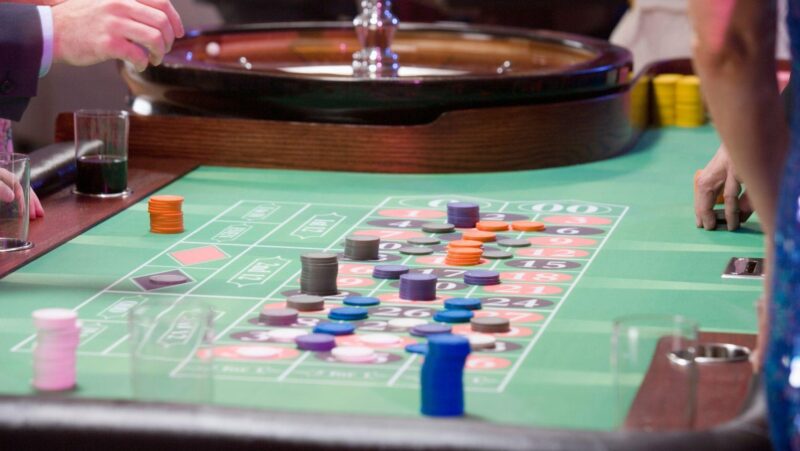
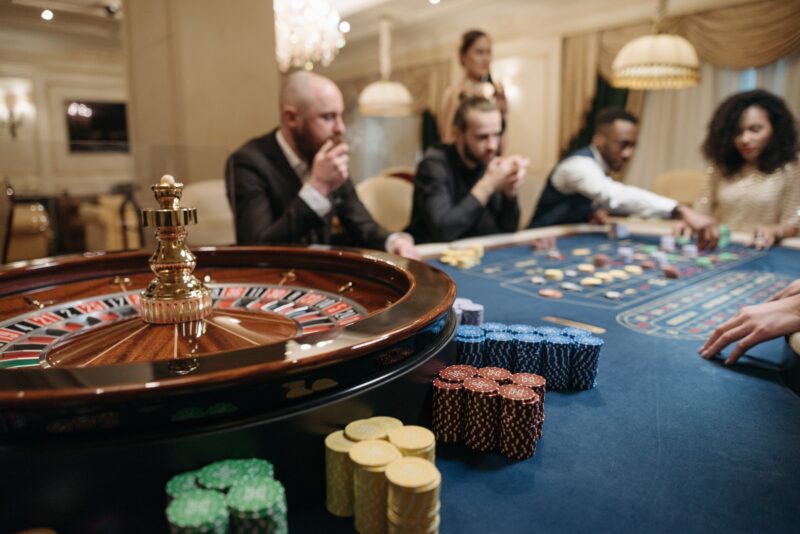
This is where things get complicated. Many popular Roblox games include random reward mechanics where you spend Robux for a chance at getting something valuable. Sound familiar? It works exactly like slot machines or loot boxes, and researchers have started paying attention.
For more context on concerns around Roblox gambling, multiple studies have examined how these mechanics affect players, especially younger ones. The mechanics tap into the same psychological triggers that make gambling addictive: variable rewards, near misses, and the hope that the next purchase might be the big one.
Games will show you the rare item you could get with a 0.05% chance, and then you spend Robux chasing that slim probability. One child in a research study called it “literally just child gambling.” And they’re not wrong about the mechanics being similar, even if real money isn’t directly on the line.
Roblox officially prohibits gambling in its community standards. The platform states that simulated or actual gambling activities are not allowed, and you can’t exchange real money, Robux, or items of value in gambling activities. But the line between “random reward mechanic” and “gambling” gets blurry when you’re spending real money converted to Robux for randomized outcomes.
Why This Matters
The Roblox economy teaches players about supply and demand, value assessment, and financial decision making. But it also exposes them to sophisticated monetization systems designed to maximize spending.
Parents often feel overwhelmed trying to understand these systems. The currency conversions are confusing, the trading landscape is complex, and keeping track of what your kid is actually doing financially on the platform requires constant attention.
Some players develop healthy financial instincts from participating in these economies. They learn to spot scams, understand market dynamics, and make smart trades. Others develop problematic spending habits or gambling adjacent behaviors that can follow them into adulthood.
The platform sits at an interesting crossroads right now. Regulators in multiple countries are looking at loot boxes and random reward mechanics more closely. Australia banned loot boxes for players under 15, though enforcement remains inconsistent. The conversation about virtual economies and their real world impacts is just getting started.
What happens next will shape not just Roblox, but how we think about virtual economies across all gaming platforms. The stakes are real, even if the currency is digital.