A scrappy rec league team and a well-funded esports org are chasing the same thing: players who stick around. Esports organizations spend real budget on branding, shared rituals, and a sense of belonging because they know a roster with no identity is a roster that churns. Youth and rec baseball programs are learning the same lesson, usually the hard way, after a season where half the team doesn’t come back.
Key Takeaways
- Retention in youth and rec baseball depends more on belonging than on wins.
- Identity-building works best when it’s tangible: something a kid can wear, hold, or point to.
- Shared rituals cost little but do more for team cohesion than most coaches expect.
- A small, deliberate identity budget beats an afterthought gear order every time.
Why Retention Is The Real Scoreboard In Rec Baseball
Most youth and rec programs measure a season by wins, but the number that actually predicts a program’s future is how many players sign up again next year. Families choose based on cost and convenience first, but they stay based on whether their kid feels like part of something. A player who only shows up to play innings drifts to another sport the moment schedules get tight. A player who feels like part of a team looks for ways to make the calendar work.
Coaches often treat identity as a nice extra, something to think about after practice plans and field time are locked in. That ordering is backwards. A team with no shared identity is competing for a kid’s Saturday morning against travel soccer, screen time, and a dozen other options, with nothing but the game itself to make the case.
What Belonging Actually Looks Like On A Youth Team
Belonging isn’t abstract. Kids notice concrete things: a team name that means something, a color they chose, a handshake only their dugout knows. Programs that build strong identity tend to involve players in a handful of small decisions early in the season. Let the team vote on a nickname. Let them pick between two color schemes. The choice matters less than the fact that they made it.
The same principle shows up in how esports organizations run their rosters. Players who help shape a team’s look and rituals report more loyalty to the org, not because the branding itself is compelling, but because they had a hand in building it. Baseball programs that skip this step end up with a jersey nobody feels ownership over.
Building Identity Through Shared Gear And Rituals
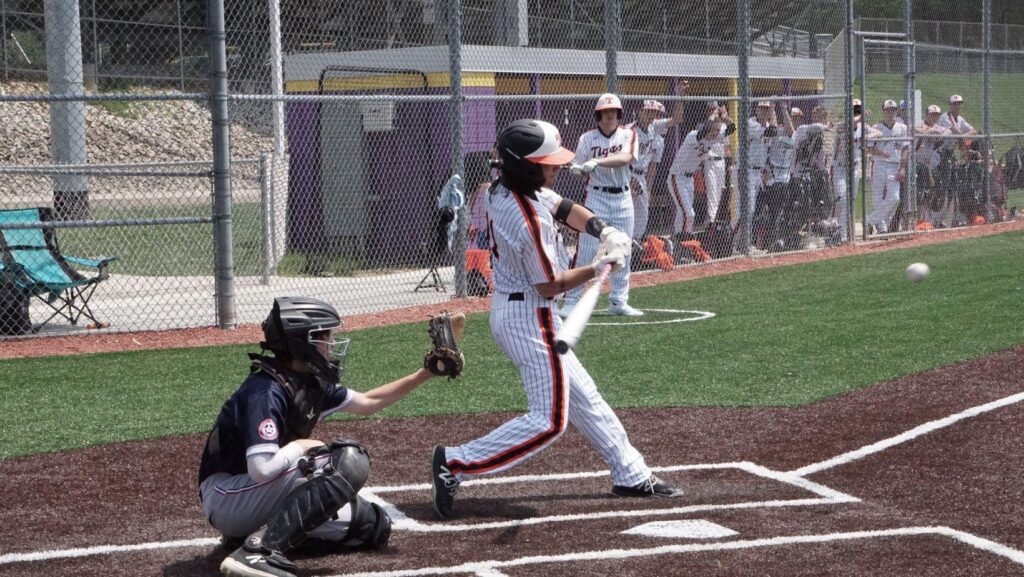
Gear is where identity becomes real. A kid can talk about team spirit all he wants, but putting on a uniform that matches his teammates’ is what makes the idea physical. Programs looking to build that same identity often start with something tangible players can hold onto, like ordering custom baseball jerseys for the whole roster rather than settling for generic numbered shirts from a catalog.
Rituals matter just as much as gear, and they cost nothing. A pregame chant, a specific walk-up routine, a postgame huddle with the same three words every time. These habits give players something to look forward to beyond the score, and they travel with the team from a losing streak into a winning one without losing meaning.
Budgeting Identity Into A Season That’s Already Stretched Thin
Most rec programs run on tight budgets set by registration fees and the occasional bake sale, so identity spending has to be deliberate rather than aspirational. A few practical moves make this workable:
- Set a small per-player gear line item at the start of the season instead of deciding on jerseys after everything else is funded.
- Ask a local business to sponsor uniforms in exchange for a logo spot, which covers cost and gives the team a community tie.
- Order gear early enough to get bulk pricing instead of paying rush fees closer to opening day.
- Reuse what still fits and reserve new gear for players moving up an age group, so the budget stretches further.
None of this requires a big budget increase. It requires treating identity as a line item that gets planned for, not one that gets improvised in the parking lot before the first game.
Turning Identity Into Retention Numbers
Programs that take belonging seriously can measure it the same way they’d measure anything else. Track how many players return the following season, and ask departing families a single question: did your kid feel like part of the team? The answer usually points straight back to whether the program gave players anything to hold onto beyond the scoreboard.
A rec league isn’t going to out-market a professional franchise, and it doesn’t need to. What it can do is give a group of kids a name, a color, a jersey, and a handful of shared rituals that make Saturday mornings feel worth showing up for. That’s the identity that keeps a roster together long after the season ends.