projectrethink .org launched to help communities strengthen local resilience. The movement builds practical programs that connect neighbors, local leaders, and small organizations. It tests community-led solutions for climate, health, and economic shocks. The team shares open tools, data, and training so local groups can replicate what works. Readers can learn what ProjectRethink.org does, how it runs projects, and how people can join or support the effort.
Key Takeaways
- ProjectRethink.org helps communities build local resilience through practical, low-cost programs that address climate, health, and economic shocks.
- The organization prioritizes community-led projects, transparency, and inclusivity, supporting underserved groups with grants, training, and tools.
- Neighborhood resilience hubs, heat-safety initiatives, food distribution networks, and community energy projects are key programs driving local change.
- ProjectRethink.org measures success using participation rates, readiness items, and recovery speed, sharing open data and progress reports.
- Volunteers, partners, and donors play vital roles in scaling and sustaining projects, with clear roles and transparent funding use.
- Communities start by piloting simple projects with starter grants and data support, enabling rapid action and measurable impact.
What Project Rethink Stands For: Mission, Values, And Core Goals
ProjectRethink.org states a clear mission. It helps communities build resilience through local action and shared learning. The organization values transparency, practicality, and inclusivity. It asks community members to lead projects and uses data to guide decisions. ProjectRethink.org prioritizes low-cost interventions that scale in different places.
The core goals remain focused and measurable. First, ProjectRethink.org aims to increase local preparedness for shocks like floods, heat waves, and supply disruptions. Second, it seeks to expand community networks so neighbors can support each other during stress. Third, it aims to reduce recovery time after events by improving local resources and skills.
ProjectRethink.org uses specific principles when it works with partners. It starts with local priorities rather than external assumptions. It tests small pilots and measures outcomes. It shares lessons and open-source tools. It supports groups that typically receive less funding, including grassroots neighborhood associations and small faith-based groups.
The movement measures success by three indicators. The first indicator tracks participation in local activities and trainings. The second indicator tracks tangible readiness items, such as community emergency kits or shared cooling centers. The third indicator tracks recovery speed in the months after an event. ProjectRethink.org publishes periodic reports that show progress on these indicators.
ProjectRethink.org also commits to equity. It focuses effort on communities with fewer resources. It offers grants, technical help, and matched funding when local groups lead projects. The organization trains local leaders in simple project management, grant reporting, and data collection. This approach helps communities keep control of priorities and outcomes.
Programs And Initiatives: Practical Projects That Drive Local Change
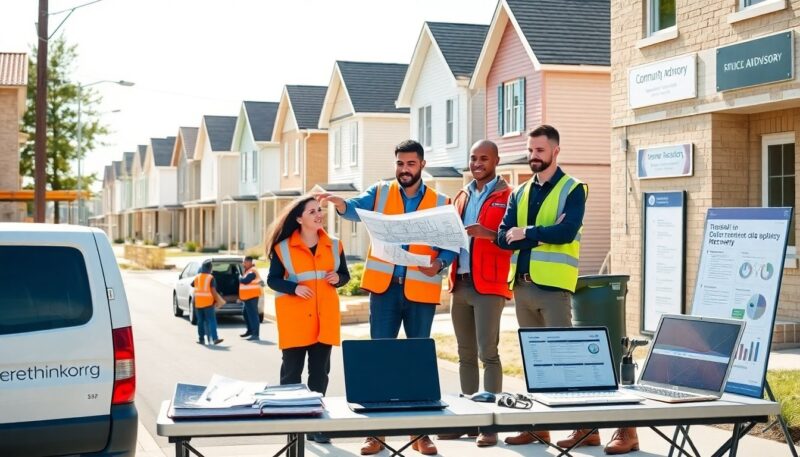
ProjectRethink.org runs practical programs that people can copy. One program funds neighborhood resilience hubs. These hubs act as meeting places, supply depots, and training centers. ProjectRethink.org helps neighbors set up simple supply inventories, schedule volunteer shifts, and map vulnerable residents.
Another program focuses on heat and public health. ProjectRethink.org supports projects to open and staff cooling rooms, install shade trees, and distribute heat-safety kits. The team works with local clinics to train volunteers on basic first aid and heat illness recognition.
ProjectRethink.org also runs local food resilience projects. It partners with small farms, food banks, and community gardens to improve local food distribution. The projects include shared cold storage, simple logistics training, and digital tools for coordinating surplus produce. These steps reduce food waste and increase access during supply disruptions.
The movement supports community energy projects. ProjectRethink.org provides technical guides for small solar microgrids and battery-backed community centers. The guides present step-by-step actions, cost estimates, and simple maintenance plans. Local volunteers receive hands-on training and follow-up support.
ProjectRethink.org uses an experiments lab to test new ideas. The lab runs short pilots with clear metrics. The team records processes, costs, and local feedback. It then publishes playbooks so other communities can repeat the work. ProjectRethink.org keeps the playbooks simple and action-focused so local groups can carry out them without outside experts.
Across programs, ProjectRethink.org emphasizes partnerships. It connects local governments, nonprofits, small businesses, and residents. The group matches small grants with volunteer labor and in-kind donations. This mix lowers barriers for communities that lack large funding sources.
Get Involved And Measure Impact: Volunteer, Partner, Donate, And Track Results
ProjectRethink.org invites people to join in four main ways: volunteer, partner, donate, and track impact. Volunteers help run local hubs, teach skill sessions, and maintain supplies. The organization posts clear volunteer roles and short-term commitments so people can pick tasks that fit their schedules.
Organizations can partner with ProjectRethink.org to scale local pilots. Partners provide space, technical skills, or matching funds. ProjectRethink.org lists partner benefits and simple steps to start joint projects. The group prefers partnerships that empower local leadership rather than replace it.
Donations fund small grants and operational support. ProjectRethink.org uses donor funds to seed neighborhood projects and to pay trainers. The group reports how funds are spent in plain language and with basic accounting summaries. Donors receive regular updates about project outcomes and local stories.
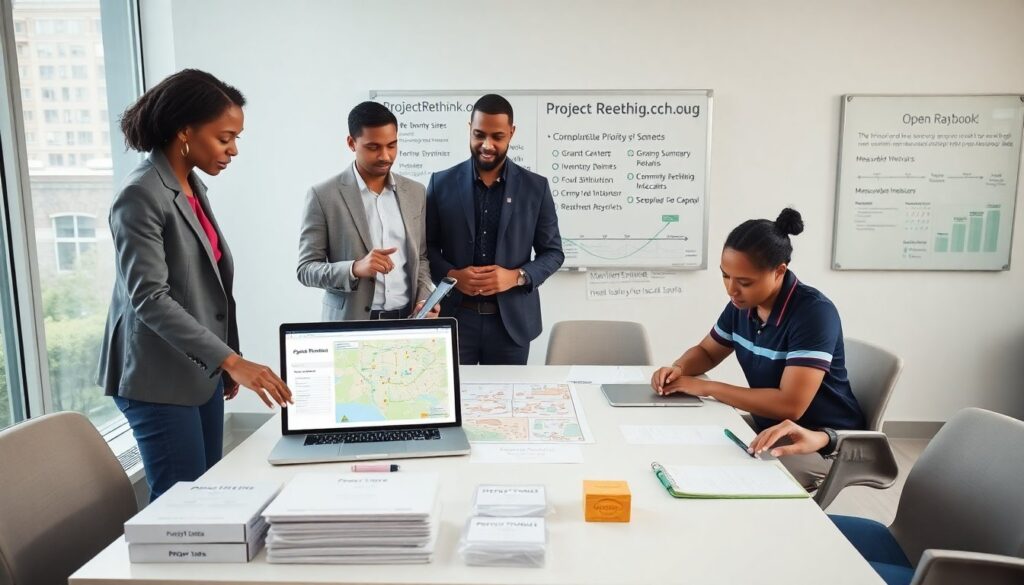
ProjectRethink.org places strong emphasis on measuring impact. The team trains local groups to collect simple data. The data include participation counts, readiness items added, and time to recover after events. ProjectRethink.org offers accessible tools for data entry and visualization. These tools show progress on maps and simple charts.
The organization uses impact data to improve programs. It compares similar pilots and highlights practices that reduce cost or boost participation. ProjectRethink.org shares these findings in short, practical briefs so other communities can adopt them. The group also uses data to allocate follow-up grants to projects that show early positive results.
To get started, ProjectRethink.org asks new groups to sign a short agreement and to choose one simple pilot. The organization offers a starter grant, a facilitator, and data tools. This setup helps communities move from idea to action within weeks. ProjectRethink.org then supports scaling when pilots show measurable gains.